Associate Degrees - Diplomas - Certificates - Non-Degree Courses
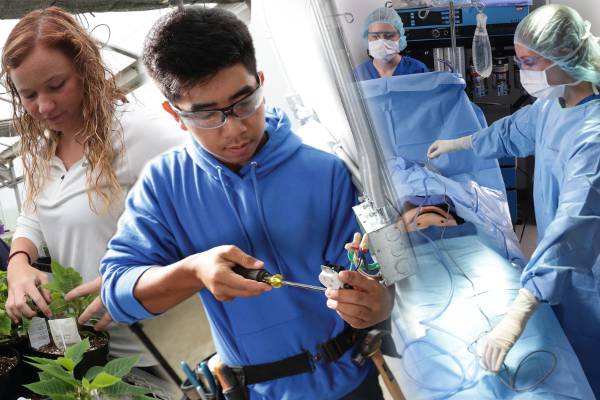
Southeast Technical College is the smart way to jump-starting your career in two years or less. With part-time, evening and online courses, our flexible scheduling options are designed to fit your lifestyle. Our programs have been developed collaboratively with area industry leaders, and our exceptional facilities offer true-to-life learning experiences.

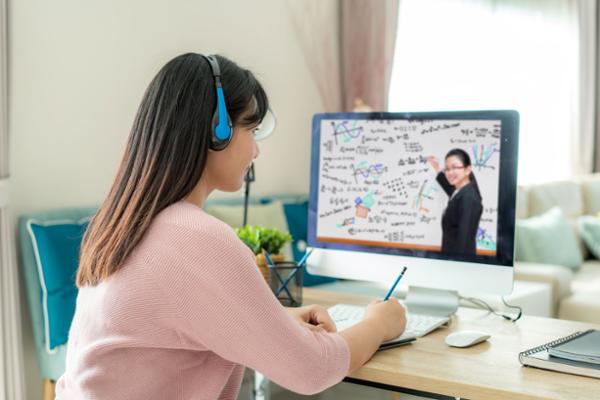
"Being a mom with a full-time job and running a household on my own, I wasn’t a traditional student. I completed my classes online during evenings, weekends, or even on my lunch break if I had the time for a quick assignment. I wouldn’t have been able to earn my college degree if it weren’t for STC’s flexible learning options."

"My experience has been nothing short of great. The incredible staff, along with my classmates, have made my experience one that I will never forget. Talks with my program instructors made my decision to attend Southeast Technical College easy. I have told many people searching for a degree they will not regret choosing Southeast Tech."
"At Southeast Tech, there's so much you can do. You can attend class in person. You can do remote learning. You can do all online. You can do half and half - whatever fits into your schedule. That's what made me choose Southeast Tech."
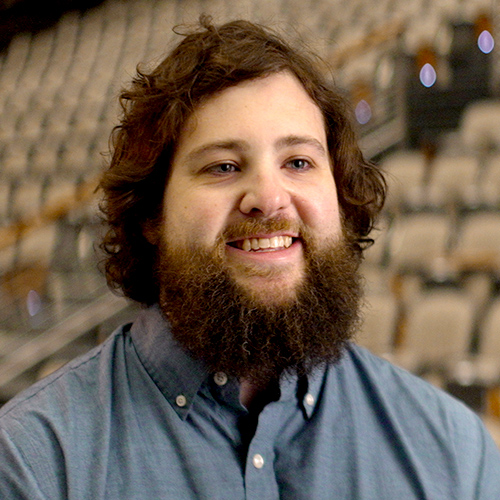
"Southeast Tech has given me confidence and provided me the ability to have a life that I didn't think that would be possible. I went back to school and now I'm working in computers and system administration for companies around Sioux Falls."

“My Student Success Advisor is outstanding. She helps me schedule my classes to fit my work schedule, accommodate for childcare, and motivates me to keep on track with my courses. During my first semester, I almost quit college due to my work and family commitments, but she was able to create a schedule that worked for me and assisted with getting my son into the on-campus Scarbrough Childcare Center. Plus, she gives great academic advice!”

"Southeast Tech and my instructors in the Sports Turf Management program provided me with the knowledge to help maintain football fields at a professional level. I learned a lot last year, from hands-on experience with different equipment, to learning about different grasses and pests. Southeast Tech does an excellent job preparing you for after-college work. I recommend Southeast Technical College and the Sports Turf Management program to anyone looking for excellent and affordable schooling."

"Southeast Tech and the Early Childhood program have shown me what it takes and how to be an influential educator. The program gave me tools and resources to take with me after graduation to use through my career. This program is very hands-on; I’m going out into the field with real-life experiences in Early Childhood. STC’s faculty care about their students both academically and personally."

“I love Southeast Tech’s small class sizes and caring instructors. It makes starting college so much easier.”

“The fast-paced learning helped me be more efficient as an agency designer. The smaller classes at Southeast Technical College allow for the teachers to not only offer a little more hands-on help, but they quickly turn into a family and show that they really care for their students.”

At Southeast Tech, I had an amazing community of teachers that surrounded me with love and support. They showed me what I was capable of both inside and outside of the classroom.
Explore STC from home. Use our interactive map to take a campus tour, see lab spaces in 3D and view program videos.
Check out the video library for an inside look at our academic programs.